One Grinder or Two? Espresso vs Filter
By the dialed team · 4 min read · Updated 2026-05-06
The question comes up before almost every grinder purchase: can one machine handle both espresso and filter, or do you need a dedicated grinder for each? For most people, one good grinder beats two mediocre ones. The detail underneath that answer is worth knowing before you spend.
Espresso is the demanding partner. If a grinder can dial in a real shot, it can almost always back off to pourover and drip. The reverse is not true: plenty of grinders brew excellent filter and cannot get fine enough, or precise enough, to pull a balanced espresso. So the question turns on how a grinder behaves at the fine end.
The fine end decides everything
Espresso lives in a narrow band, roughly 200 to 350 microns, and it is unforgiving. Move the grind a few tens of microns and the same shot can slide from sour and gushing to bitter and choked. Filter sits coarser, roughly 500 to 900 microns depending on the method, and it tolerates a lot. Two things at the fine end decide whether one grinder can serve both: total range and step size.
Step size is the spec people underestimate. A grinder with big jumps between clicks can strand you between a shot that runs too fast and one that runs too slow, with nothing usable in between. That is why stepless or micro-stepped adjustment matters for espresso, while filter is happy with coarser clicks. A grinder with fine resolution down low that still opens up enough for drip is doing the hard part. If it reaches French press coarseness too, better still, though some espresso-first grinders top out before they get truly coarse.
Espresso-capable single dosers


Burr shape is a compromise you can live with
Conical burrs tend to produce a slightly wider spread of particle sizes, which reads as body and forgiveness in the cup, and they show up in most hand grinders and all-rounders. Flat burrs lean toward a more uniform grind, which many people hear as clarity and separation, especially in espresso. Neither is better in the abstract. They are different accents on the same job.
Here is the honest part. A single burr set is tuned to one spot on that spectrum, so doing both jobs means it sits nearer the middle than at either extreme. An all-purpose burr will pull a good shot and brew a good pourover without being the finest possible version of either. For most drinkers, that gap is small and mostly academic. You catch it in a side-by-side tasting, not in your Tuesday morning cup.
All-rounders, cheapest first
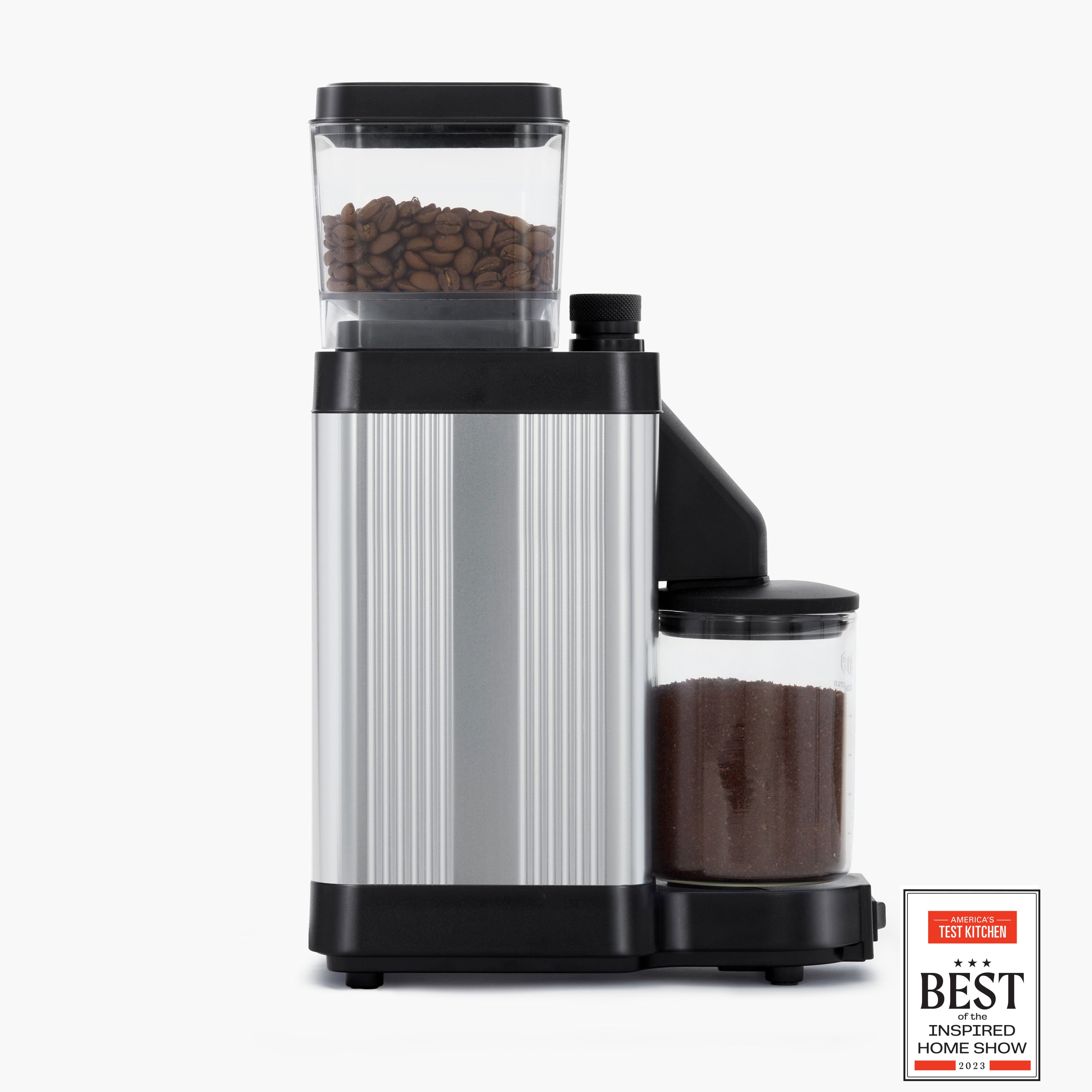


Why enthusiasts drift toward two
What pushes people to a second grinder usually isn't quality. It is the daily tax of switching. Dialing in espresso takes a few throwaway shots to land, and if you grind filter on the same machine, you knock that setting out every time and rebuild it the next morning. Two grinders means one stays parked on espresso and the other on filter, and nobody re-dials anything.
Retention is the other half of it. If a grinder holds grounds inside the burr chamber, switching methods means purging stale coffee to get a clean read on the new setting, which wastes beans and blurs consistency. Low-retention single dosers made the one-grinder life far more practical, because changing settings costs you a gram or two rather than a real scoop. Even so, if you brew both every day and dislike fuss, two dedicated grinders are a genuine, if pricey, luxury.
What most people should actually buy
Buy one grinder, and buy for the harder job. If espresso is anywhere in your rotation, get one that is genuinely espresso-capable (fine, micro-adjustable, low retention) and let it handle filter on the side. If you only brew filter and have no espresso plans, you can spend less and skip the fine-resolution features you would never touch. A capable hand grinder is a legitimate do-both answer on a budget, especially at one or two cups at a time.
Come to a second grinder later, if the daily re-dialing genuinely wears on you, and not because a forum told you a single burr set is a compromise. It is a compromise. It is also more than good enough for the coffee most of us actually drink.
Hand grinders, cheapest first


Good questions
›Can I pull real espresso on a grinder built for filter?
Usually not well. Most filter-first grinders either cannot get fine enough or jump too far between settings to dial a shot, so it runs too fast or chokes with nothing usable in between. If espresso matters to you, buy for espresso and let the grinder step up to filter, not the other way around.
›Does switching one grinder between espresso and filter every day hurt anything?
Not the coffee, as long as retention is low, but it costs you time. Moving the setting means you rebuild your espresso dial-in from scratch, which is a throwaway shot or two to get back on target. When that friction starts to annoy you, that is the moment a second grinder earns its place.
New gear, real prices, no hype
Occasional emails when something genuinely good lands or drops in price.