Why Bean Freshness Beats Your Next Gear Upgrade
By the dialed team · 4 min read · Updated 2026-04-16
You can spend a year chasing better gear and never fix the one thing quietly flattening your coffee: stale beans. The biggest lever on flavor is not your burrs or your brewer geometry. It is how many days ago the beans left the roaster, and what has happened to them since.
That is good news for your budget. Fixing freshness costs less than anything on your upgrade list, and the payoff is bigger. Here is how coffee ages, and how to slow it down.
Roast Day Starts a Clock
Roasting loads beans with carbon dioxide, and for the first few days they off-gas it hard. Grind and brew in the first day or two, and that escaping gas pushes water away from the grounds, so extraction goes uneven and the cup reads thin or sharp. This is why a very fresh bag can bloom dramatically and still taste sour.
For most roasts the sweet spot runs from about day 2 to day 30, with most filter coffee peaking around day 7 to 21. Espresso usually wants more rest, often 10 to 21 days, because it is more sensitive to that leftover gas. Past a month in a bag you keep opening, the aromatics fade and the cup goes flat and papery. Buy for the roast date, not the date it landed on a shelf.
Fresh roasts, shipped to order

100% Colombian - Roasted Coffee

Guatemalan Huehuetenango - Roasted Coffee

Tiger Nebula - Roasted Coffee

FRC Classic Medium - Roasted Coffee
What Actually Kills a Bag
Staling is oxidation. Oxygen attacks the oils and aromatic compounds, and the bright high notes go first. It is also why ground coffee smells like cardboard by the next day: grinding explodes the surface area, so pre-ground coffee can stale in hours to days what whole beans lose over weeks. Keep beans whole until the moment you brew.
Light drives oxidation, so a clear glass jar on a sunny counter is a slow mistake. Heat speeds every reaction, which makes the cabinet above the machine or beside the oven the worst spot in the kitchen. Moisture is why the freezer only works when beans are truly sealed: condensation on cold beans ruins them. Cool, dark, dry, sealed is the whole checklist.
Storing Beans Without Overthinking It
A good roaster ships beans in a bag with a one-way valve that vents carbon dioxide without letting oxygen back in. If you buy what you will finish in two to three weeks, that bag, rolled tight and clipped after each use, is genuinely fine. The upgrade that matters is a sealed, opaque canister that locks out light and air, ideally one you can vacuum or purge so less air sits on the beans.
The more headspace above your beans, the faster they fade, so a vacuum or valve canister earns its keep most when you buy larger bags or hold beans longer than a few weeks. For the freezer, portion beans into airtight single-dose containers, freeze them, and pull one at a time so the rest never rides a temperature swing. Sealed well and frozen, beans hold for months. What does not count as storage is decanting into a pretty open jar on the counter.
Airtight canisters for whole beans

Atmos Vacuum Canister

Fellow Atmos Coffee Vacuum Canister

Airscape Vacuum Canister

San Francisco Bay, Airscape® Classic, Black Airtight Canister
The Part Gear Collectors Hate
Run a two-week-old, well-stored bag through a modest grinder against a two-month-old bag through an expensive setup, and the fresh bag wins a blind cup almost every time. Gear sets the ceiling on what a bean can do. Freshness decides how much of that ceiling you reach. Plenty of people are brewing stale coffee on great equipment and paying for headroom they never touch.
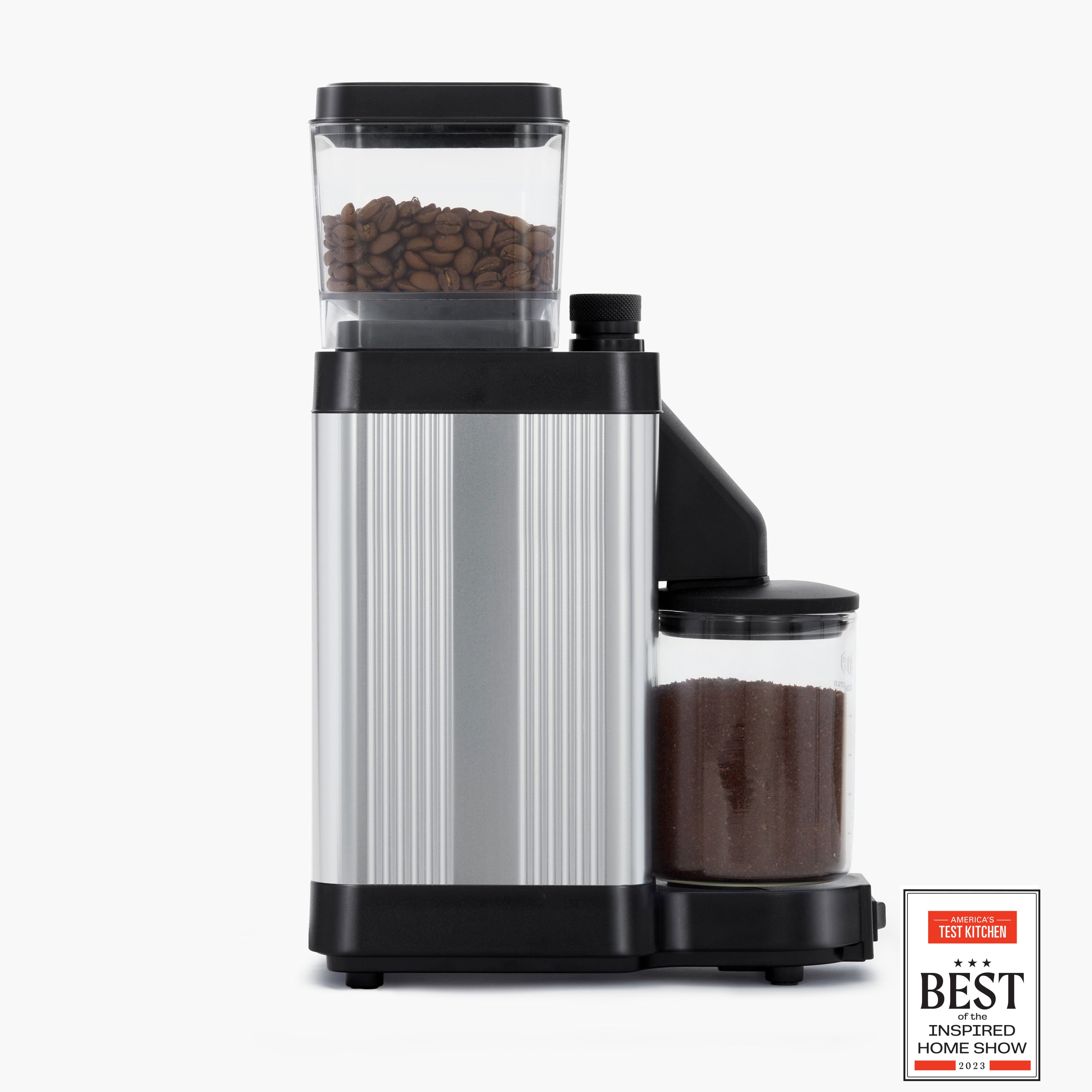
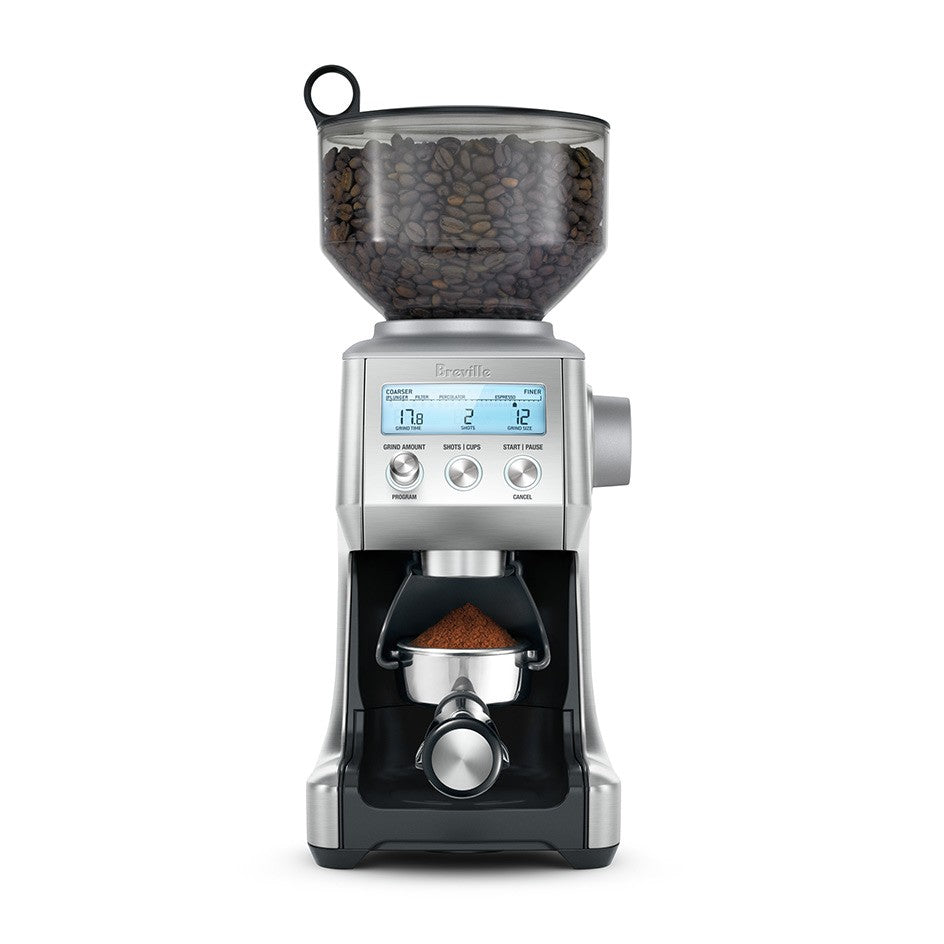
If your beans are already fresh and well stored and you still want more, spend in this order: first a grinder that holds a consistent particle size, then a brewer and technique that give you control over extraction. But run the freshness test before any of it. Buy a bag roasted this week, store it right, drink it across its window, and pay attention. It is the cheapest upgrade you will ever make, and it will reset what you think your gear can do.
Consistent burr grinders


Good questions
›How long after the roast date should I wait before brewing?
For most filter coffee, start around day 2 to 4 and expect the best results from roughly day 7 to 21. Espresso usually tastes better with more rest, often 10 days or more, because it is more sensitive to the carbon dioxide still leaving the beans. Very fresh beans can brew sour or gassy, so a little patience helps.
›Does freezing coffee really work?
Yes, if you do it right. Portion beans into airtight single-dose containers so no moisture creeps in, freeze them, and take out one portion at a time without thawing and refreezing the rest. Sealed well, frozen beans keep their flavor for months, and grinding straight from frozen is fine and can even make your grind more even.
New gear, real prices, no hype
Occasional emails when something genuinely good lands or drops in price.