Getting the Moka Pot Right
By the dialed team · 3 min read · Updated 2026-01-24
The moka pot gets blamed for coffee that tastes scorched and bitter, and nearly every time, the pot is innocent. It heats fast, holds pressure behind a rubber seal, and pushes hot water up through a puck of grounds in the time it takes to toast bread. Treat it like the small pressure engine it is and it gives back a thick, sweet cup that sits between drip and espresso.
The changes that matter cost nothing but four minutes of attention. Here is the routine that turns a maligned brewer into the one you reach for on a slow morning.
Start with hot water, not cold
The single biggest change is filling the base with water that is already near boiling. Start cold and the aluminum sits over the flame for two to three minutes while everything heats, so by the time the water climbs, the metal around the grounds is roasting them from below. Preheated water cuts that contact to seconds, and the coffee extracts before the pot ever turns scorching. Fill to just below the safety valve, no higher.
The base gets hot fast, so wrap the handle in a towel when you assemble it. Screw the top on snug, set it on the burner, and leave the lid open so you can watch the stream.
Stovetop moka pots, aluminum and steel


Grind between espresso and filter
A moka pot wants a grind a touch coarser than espresso, finer than drip, near the texture of table salt. Too fine and the puck chokes, pressure spikes, and the pot spits at you. Too coarse and water races through thin and sour. Fill the funnel basket level and full, sweep the excess off with a finger, and do not tamp. A packed puck only builds pressure the pot was never designed to handle.
Fresh grounds matter more here than in almost any brewer, because the cup is concentrated and every stale note gets amplified. Grinding right before you brew is the cheapest upgrade after preheating.
Hand grinders, cheapest first


Medium heat, and pull it before the sputter
Keep the flame at medium or a little under, never wider than the base. High heat forces the water up in a violent jet that channels around the grounds and drags out bitterness. What you want is a slow, steady stream the color of warm honey rising into the top chamber.
The moment that stream turns pale and begins to sputter and hiss, the water is spent and steam is pushing through, and steam is the part that tastes burnt. Pull the pot off the heat just before that, while the flow still runs dark, then cool the base under a cold tap or on a wet towel to stop extraction. Give it a stir and pour.
Keep the gasket honest
The rubber gasket under the top chamber holds the pressure, and it is the part everyone forgets. Once it hardens, cracks, or flattens, steam leaks out the sides, pressure drops, and the coffee crawls out weak and late. Check it every few months, and replace it about once a year with daily use, sooner if you see cracks or catch a rubbery smell.
Between swaps, rinse with plain water and skip the soap, which both the aluminum and the seal hold onto. Let every part air dry fully before you screw it back together, since a gasket left damp and compressed gives up early. Keep a spare seal and filter plate in the drawer so a worn one never costs you a morning.
Replacement gaskets and seals

Bialetti Replacement Gasket / Filter Plate Pack - Moka Express & Dama

Silicone Moka Stove Top Coffee Maker Replacement/Spare Gasket Seal
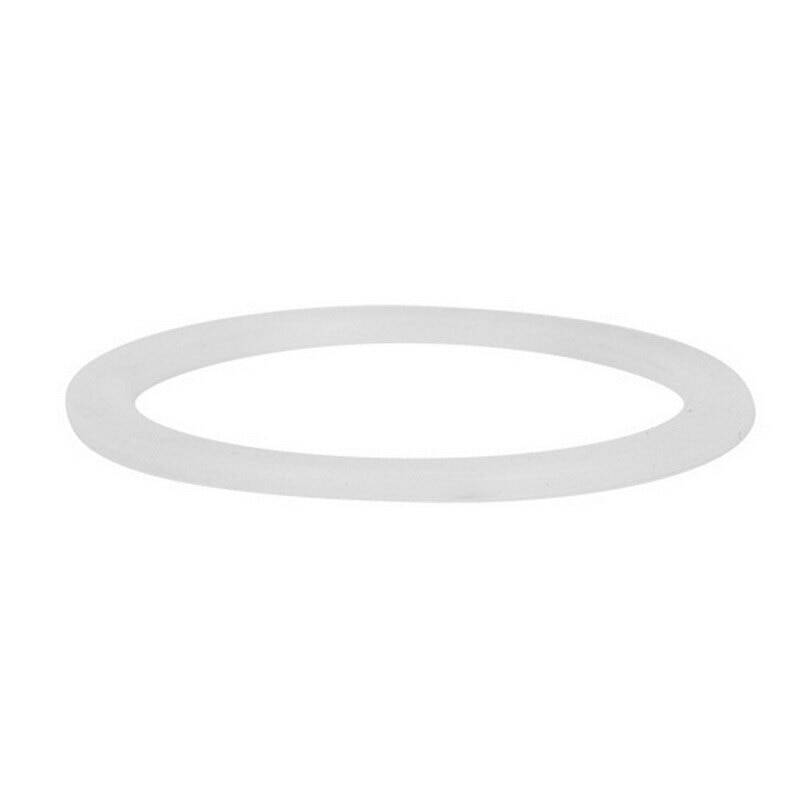
Silicone Gasket for Moka Pot // Stove Top Espresso Coffee Maker // 2 pack

Bialetti Replacement Gasket / Filter Plate Pack - Venus
Good questions
›Why does my moka pot coffee taste bitter and burnt?
Usually two mistakes stacked together: you started with cold water and left the pot on high heat until it sputtered. A cold start bakes the grounds against hot metal, and the sputtering stage drives steam and harsh compounds into the cup. Start with near-boiling water, keep the flame moderate, and lift the pot the moment the stream turns pale.
›Is moka pot coffee the same as espresso?
No. A moka pot brews at roughly one to two bars of pressure while an espresso machine pushes around nine, so you get a concentrated, syrupy cup without the thick crema or intensity of a true shot. Treat it as its own strong style rather than an espresso stand-in and it stops letting you down.
New gear, real prices, no hype
Occasional emails when something genuinely good lands or drops in price.