A Grind-Size Guide for Every Brew Method
By the dialed team · 5 min read · Updated 2026-04-29
Grind size is the one variable that touches every cup you make, and it is the one most people never touch. Buy pre-ground coffee and you are stuck with a single setting that fits no brewer perfectly. Grind fresh and you get a dial that runs from powdered sugar to cracked pepper, with a different right answer for each method.
Here is the map, finest to coarsest, plus how to read the cup when you miss. None of this needs a lab ritual. It needs attention to two things: how fast the water moves through the coffee, and whether what lands in the cup tastes sour or bitter.
Grind size is a speed dial
Every brew method is a negotiation between time and surface area. Grind finer and you expose more surface, so water extracts faster, and flow slows down because the bed of coffee packs tighter. Grind coarser and it flips: less surface, quicker flow, slower extraction. That one trade-off explains the entire spectrum.
Fast methods need fine coffee to pull enough flavor before the water leaves. Espresso pushes water through in under 30 seconds, so it wants the finest grind you own. Slow methods need coarse coffee so a long soak does not over-extract it. Cold brew steeps for 12 to 24 hours, so it wants the coarsest. Everything else sits in between, ordered roughly by how long water and coffee stay in contact.
The fine end: espresso and moka
Espresso is the least forgiving setting you have. Aim for a texture between powdered sugar and fine table salt, then let the shot clock correct you. A double should take about 25 to 30 seconds to pour roughly twice the weight of the dry coffee. If it gushes out in 15 seconds and tastes sour and thin, go finer. If it drips past 40 seconds, or the machine strains and hands you a dark, ashy, bitter shot, go coarser. A few clicks move the needle more than you would guess.
Moka pots want fine too, but a notch coarser than espresso, closer to plain fine table salt. Done right, the coffee rises in a slow, honey-colored stream and the pot murmurs. If it spits, erupts, and tastes scorched, the grind is too fine or the heat is too high, so ease off both. Weak and watery means you went too coarse. This end is also where cheap grinders fail: fine settings punish blade grinders, which throw a mix of boulders and dust that channels and turns bitter. A burr grinder with real, repeatable adjustment is the fix.
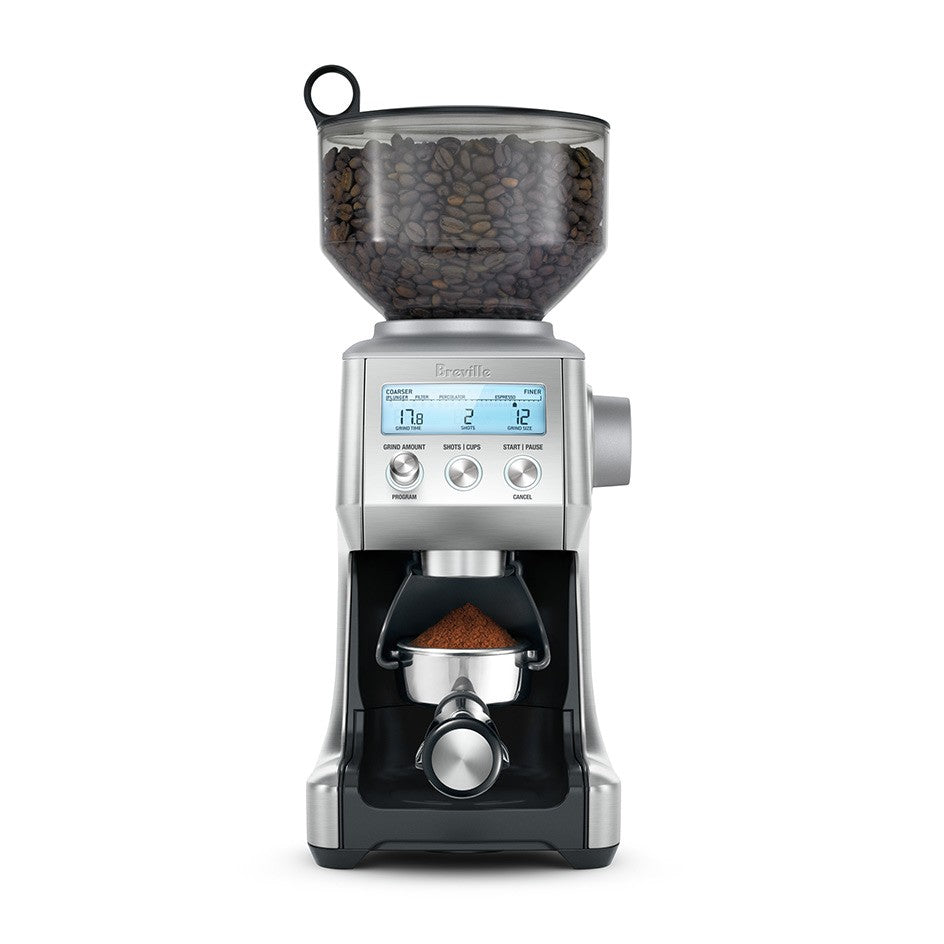
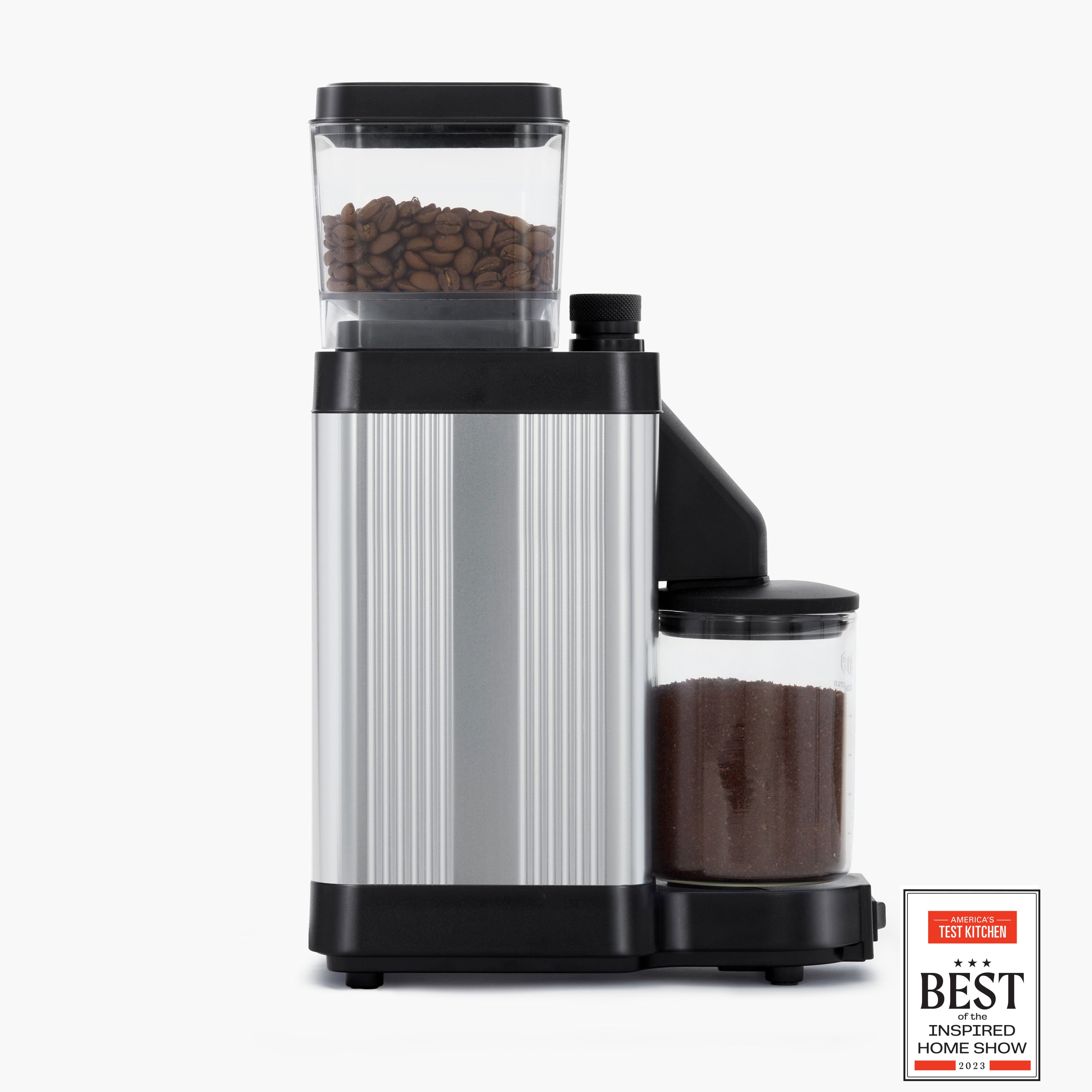
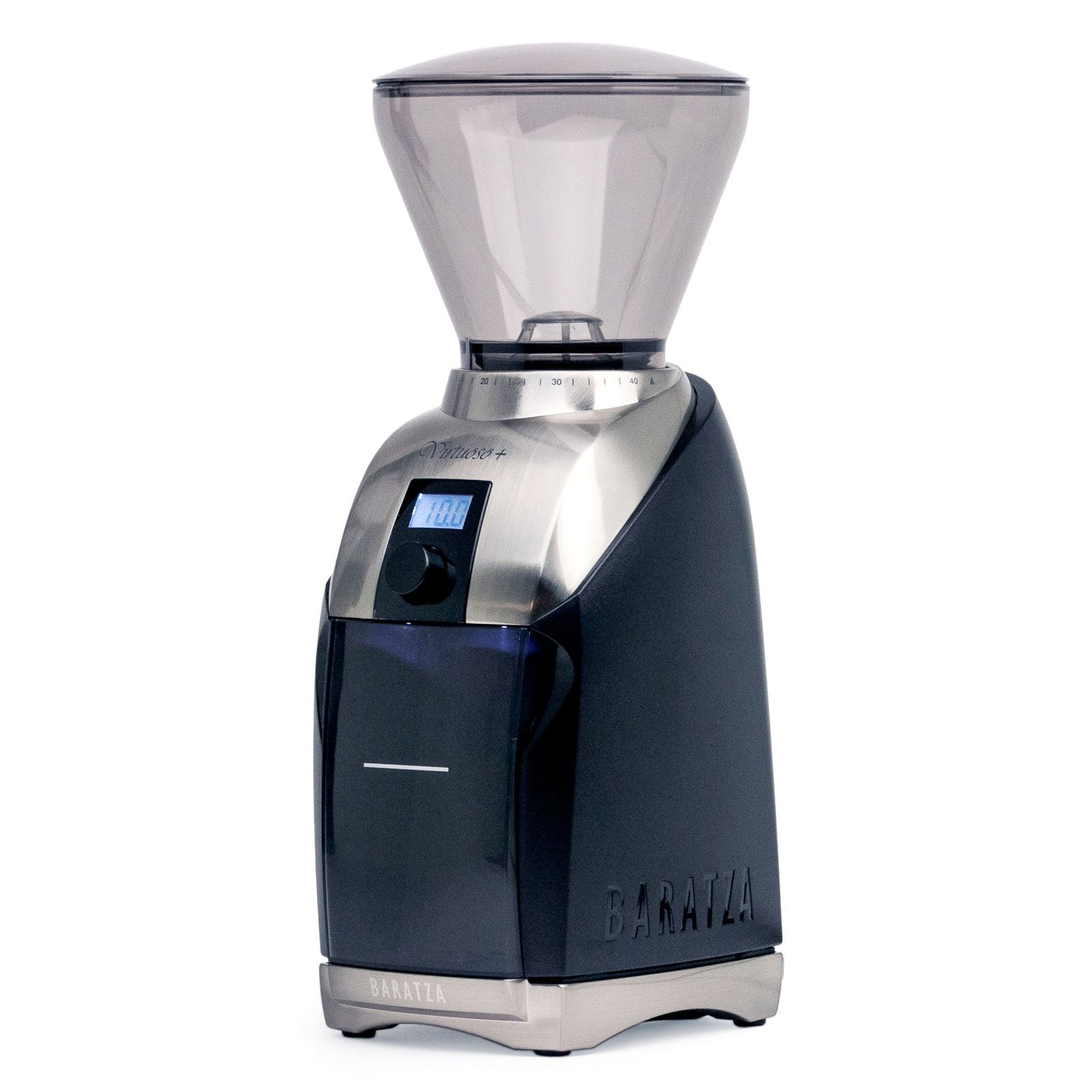
Adjustable burr grinders

The middle: AeroPress, pour-over, and drip
This is the wide, forgiving middle of the dial, roughly table salt. Automatic drip wants a plain medium: tastes flat and sour, go finer; tastes bitter and drying, go coarser. Pour-over is fussier but easier to read, because you can watch it happen. For a single cup in a cone, aim for the water to finish draining somewhere around three minutes. If it pools and stalls past four minutes, you ground too fine or stirred the bed into mud. If it races through under two minutes and tastes hollow, go finer.
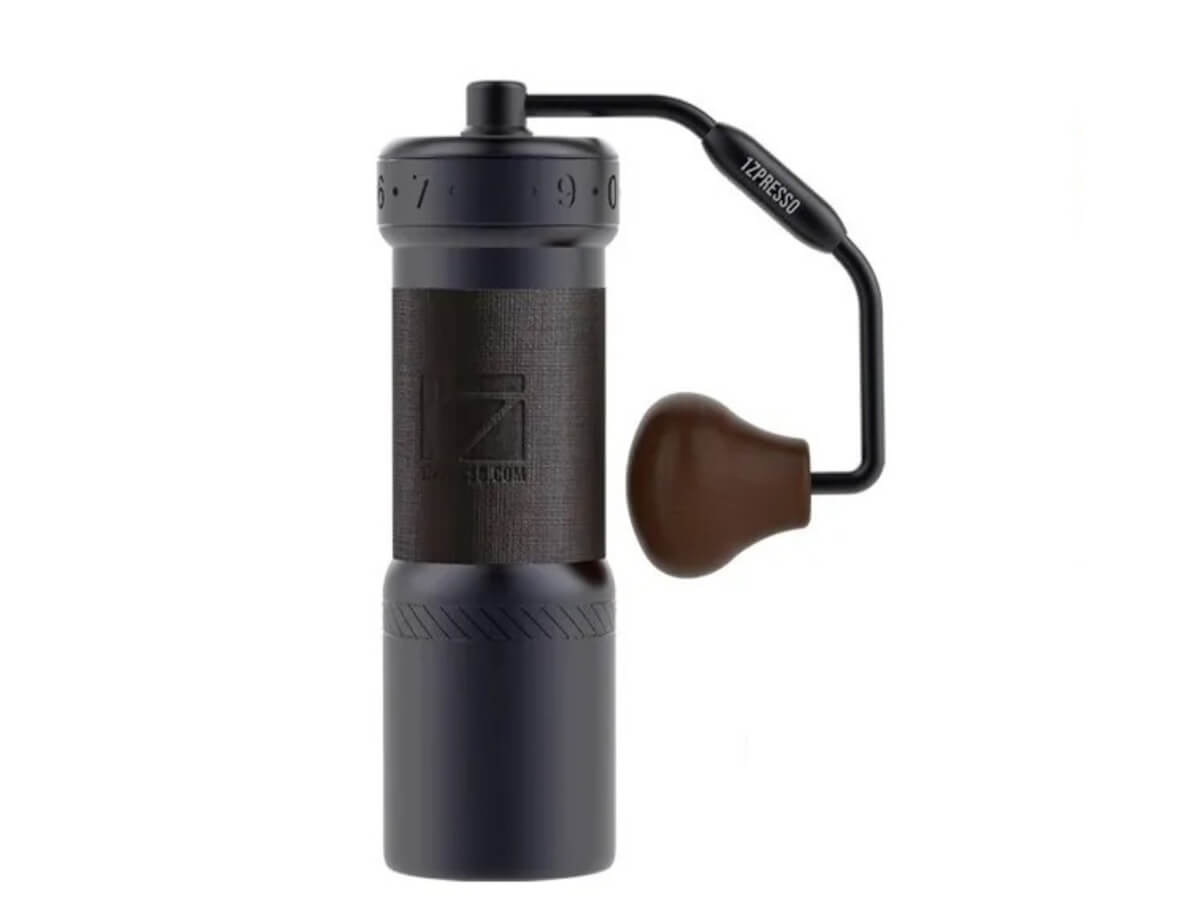
AeroPress is the shape-shifter. A short one-to-two-minute brew likes a medium-fine grind near the pour-over range. Stretch the steep longer and you should grind coarser to keep it from turning harsh. The plunger is your gauge: if pressing feels like a forearm workout, you are too fine; if it sinks with almost no resistance and the cup is sour, go coarser. A hand grinder with an external adjustment ring makes these small moves easy to repeat, and easy to pack for travel.
Hand grinders, external dial



The coarse end: French press and cold brew
French press wants a coarse grind, think rough breadcrumbs or coarse sea salt, because the coffee steeps in full contact for around four minutes behind nothing but a metal mesh. Too fine and two things go wrong at once: the plunger fights back, and fine particles slip through into a silty, bitter cup with sludge in the last inch. A little sediment is normal. A muddy final third is not. If it tastes thin and sour instead, you went too coarse or pulled the plunger too soon.
Cold brew is the coarsest setting you will reach for, coarser than French press, closer to raw sugar or cracked pepper. The grind is deliberately huge because the coffee soaks for 12 to 24 hours, and coarse grounds keep that long soak from sliding into harsh over-extraction while staying easy to strain clean. Grind fine here and you get a muddy, over-strong concentrate that clogs the filter. At this end, coarser is always the safer miss.
Burr grinders, cheapest first
Good questions
›Can I get away with one grind size for everything?
You can, but you will compromise every cup. If you own a single brewer, dial in for that one method and stop worrying about the rest. If you bounce between, say, pour-over and French press, you have to move the grind between them. Pre-ground coffee is usually set for medium drip, which is exactly why it makes passable drip and mediocre everything else.
›Do I actually need a burr grinder, or is a blade grinder fine?
For anything at the fine end, a burr grinder earns its place. Blade grinders chop unevenly and make dust and boulders at the same time, so part of your coffee over-extracts into bitterness while the rest under-extracts into sourness, in one cup. Burrs crush to a consistent size you can actually repeat. If you buy a single upgrade, make it this one.
New gear, real prices, no hype
Occasional emails when something genuinely good lands or drops in price.