The AeroPress, Three Ways
By the dialed team · 4 min read · Updated 2026-03-05
One press, three recipes, and no gimmicks. The AeroPress is forgiving enough that almost anything makes drinkable coffee, which is exactly why most people never get past 'fine.' Each method below solves a different problem, with numbers you can repeat tomorrow morning.
Pick your method by what you want from the cup, not by what looks clever on video. Weigh your coffee and your water, trust your kettle or use a thermometer, and change one variable at a time. That one habit will teach you more than any single upgrade.
The standard upright
This is the press sitting upright on your mug, cap and filter down, the way it comes out of the box. Grind medium-fine, a little finer than drip and coarser than espresso, about the texture of table salt. Use 16 g of coffee to 240 g of water, roughly a 1:15 ratio. Heat water to 200 F (93 C) for a medium roast, closer to 205 F for a light roast, and back off to about 190 F for something dark and oily.
Pour to your bloom weight, give it a gentle stir, wait 30 seconds, then top up to 240 g. Steep about a minute, insert the plunger, and press slow and steady for 20 to 30 seconds. Stop the second you hear a hiss. Upright is the fast, low-mess cup, and it leans bright and clean because some water is already draining through the filter while you steep. The trade-off: you have less control over the steep than you think, which is the exact thing the inverted method fixes.
The press itself, sellers compared


The inverted method
Here you build the press upside down so nothing drips through until you decide it should. Seat the plunger just far enough to seal, stand the chamber on top of it, and add your coffee and water into the open chamber. Same grind as upright, or a hair coarser since the steep runs longer. Keep 16 g to 240 g and 200 F as your baseline. The reason to go inverted is a true full-immersion steep: every ground sits in water for the same length of time, with nothing draining early.
Stir once, cap it with a wet filter, and let it steep undisturbed for 1:30 to 2:00. Then comes the one real hazard: flip the whole thing onto your mug in a single confident move, because a nervous flip spills hot coffee. Press for about 30 seconds. Inverted gives you heavier body and a longer, more even extraction, so it rewards a coffee you actually want to taste in full. If you are still half asleep, respect the flip.
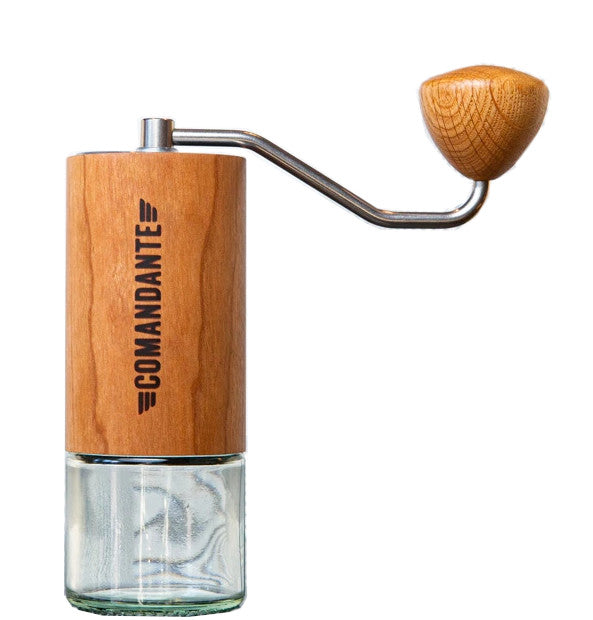
Hand grinders, cheapest first


Bypass dilution
Bypass dilution splits one decision into two: pull a small, strong concentrate, then add hot water in the cup to set strength on its own. Brew stronger than feels reasonable, around 18 g of coffee to 130 g of water, medium-fine, at 200 to 205 F. You can run this upright or inverted, since the concentrate is the point, not the posture. Press after a short steep of about a minute.
Now pour 70 to 110 g of hot water straight into the cup and taste as you go. Because you pull a small, even extraction and add the water afterward, the cup lands clean and tea-like, and it is genuinely hard to make bitter. This is the most forgiving method and the best one for getting to know a new coffee, since you can rescue a cup that came out too intense without grinding again. Over-dilute and it turns thin and papery, so add the water in small pours. Swapping the paper filter for metal here lets more oils and fines through, which pushes the cup back toward body if the clarity feels too lean.
Reusable metal filters


Good questions
›Do I need a burr grinder to start?
No, but grind consistency is the single biggest lever on taste. A blade grinder makes both dust and boulders in the same batch, so the dust over-extracts into bitterness while the boulders stay sour, in one cup. A hand burr grinder fixes that for less than most electric units, and it is the upgrade that moves your results the most.
›What water temperature should I use without a thermometer?
Boil, then wait with the lid off. About a minute off the boil puts you near 200 F (93 C), the baseline. For light roasts, pour sooner, closer to the boil. For dark roasts you want nearer 190 F, which takes two or three minutes or a splash of cool water. Straight off a rolling boil, water scorches the grounds and adds a dry, ashy edge, so wait either way.
New gear, real prices, no hype
Occasional emails when something genuinely good lands or drops in price.