Coffee Gear That Isn’t Worth the Money
By the dialed team · 4 min read · Updated 2026-01-31
Every coffee setup grows a drawer of gear that felt essential at checkout and turned into decoration by month two. I have that drawer. The pattern rarely changes: a tool promises to fix something you could solve with technique, or it upgrades a part that was never holding you back.
This is not about being cheap. It is about order of operations. Put your money on the few things that move the cup, and let the rest wait until you feel a real limit. Here is where I would stop spending.
Gold-plated baskets are jewelry
A precision basket is a real upgrade over the stamped one that ships with most machines. Its holes are uniform in size and evenly spaced, so water pulls through the puck more evenly and fewer shots come out thin and sour. Pair it with a bottomless portafilter and you can watch channeling as it happens. That part is worth paying for.
The gold or colored coating on that same basket is another matter. It is sold on looks and longevity, and neither one changes hole size, spacing, or how straight the walls are, which are the only things shaping your extraction. Buy the basket for its holes, in plain steel, and put the difference toward coffee.
Precision baskets, cheapest first

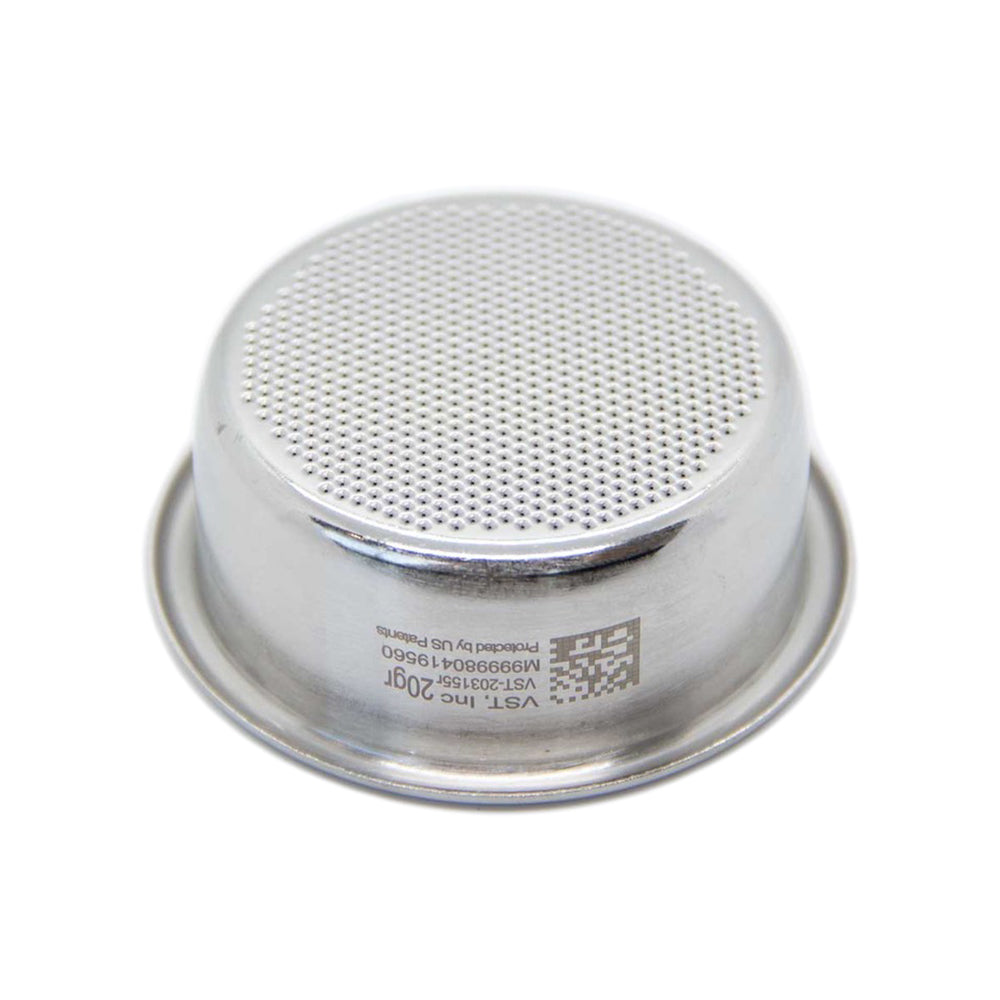


Distributors solve a problem WDT already fixed
The spinning distributor, the disc you twist on top of the grounds, levels and lightly flattens the surface. It looks satisfying. But channeling starts underneath, in the clumps a grinder throws as it doses, and smoothing the top never reaches them.
WDT (the Weiss Distribution Technique) fixes the real problem: you stir the grounds with a few fine needles to break up clumps through the whole bed before you tamp. After that, the puck is already even, and the distributor is only polishing a surface that no longer needs help. A cheap needle tool does more for your shots than a machined distributor that costs several times as much.
WDT tools, cheapest first


Most knock boxes are furniture
A knock box is a padded bar inside a container that catches spent pucks. Genuinely useful if you pull a dozen shots a day. For a home setup doing one to four, you are buying a heavy wood-and-steel object that holds a few pucks before you tip them into the compost anyway.
The function lives entirely in the knock bar and a base that does not slide around. Everything above that is counter styling you pay a premium for. A lined bin, or a sturdy container you already own, empties just as well. Buy the pretty one because you want to look at it, not because it does anything the cheap version does not.
Where that money actually goes
The grinder changes the cup more than anything downstream of it. A better burr set grinds more evenly, and an even grind is exactly what every tool above is trying to fake after the fact. If your grinder is already solid, the next dollars go to fresh coffee and a scale that reads to 0.1 g, so your ratios stay repeatable.
My spending order, start to finish: grinder, then coffee, then an accurate scale, then a plain precision basket and a needle tool. That covers everything that measurably affects taste. Past that point, wait until a specific shot problem tells you what to buy, instead of buying in the hope of preventing one.
Capable grinders, the real upgrade

Turin DF54 v4.1 Single Dose Flat Burr Grinder

Turin DF54 v4.1 Single Dose Flat Burr Grinder
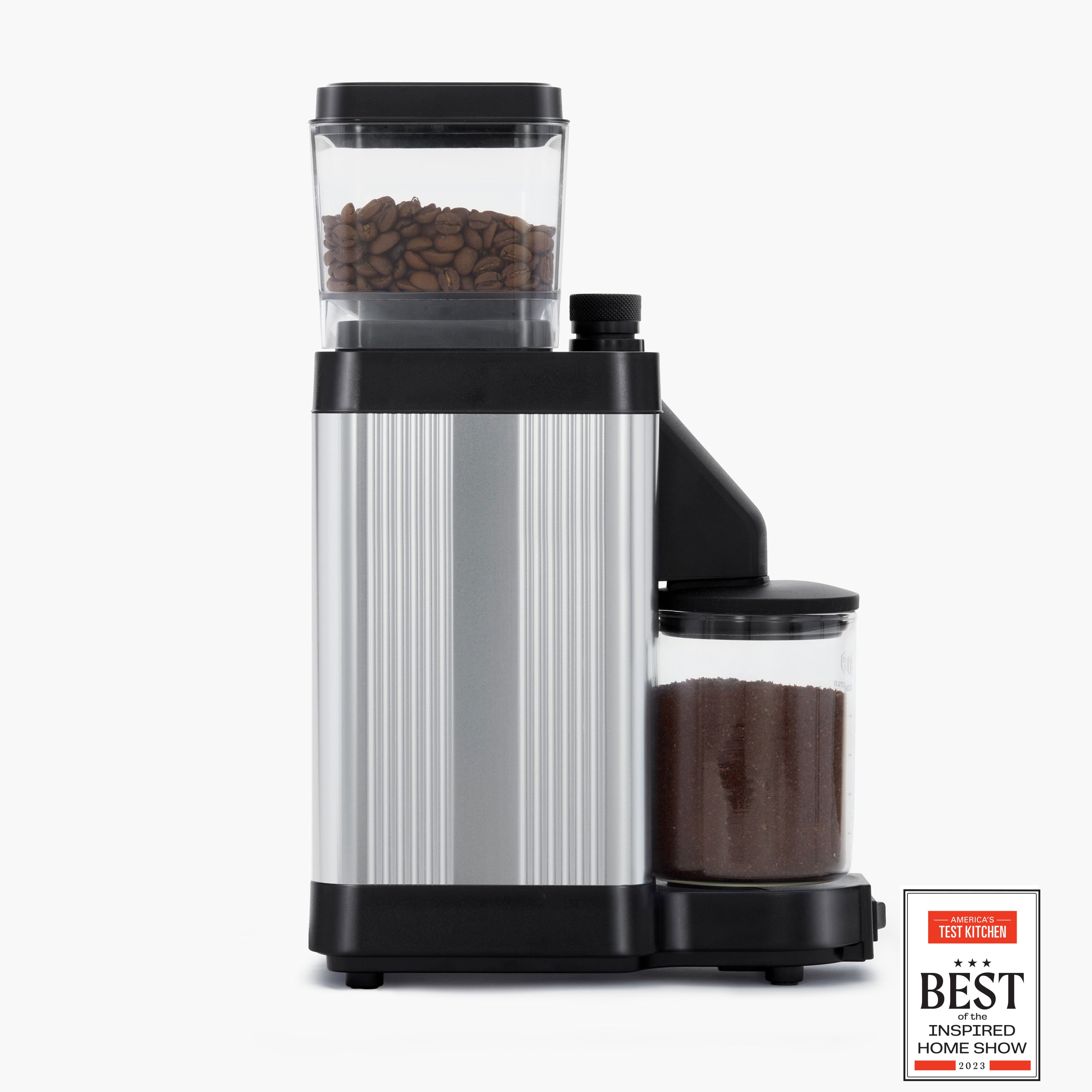
Moccamaster KM5 Burr Grinder
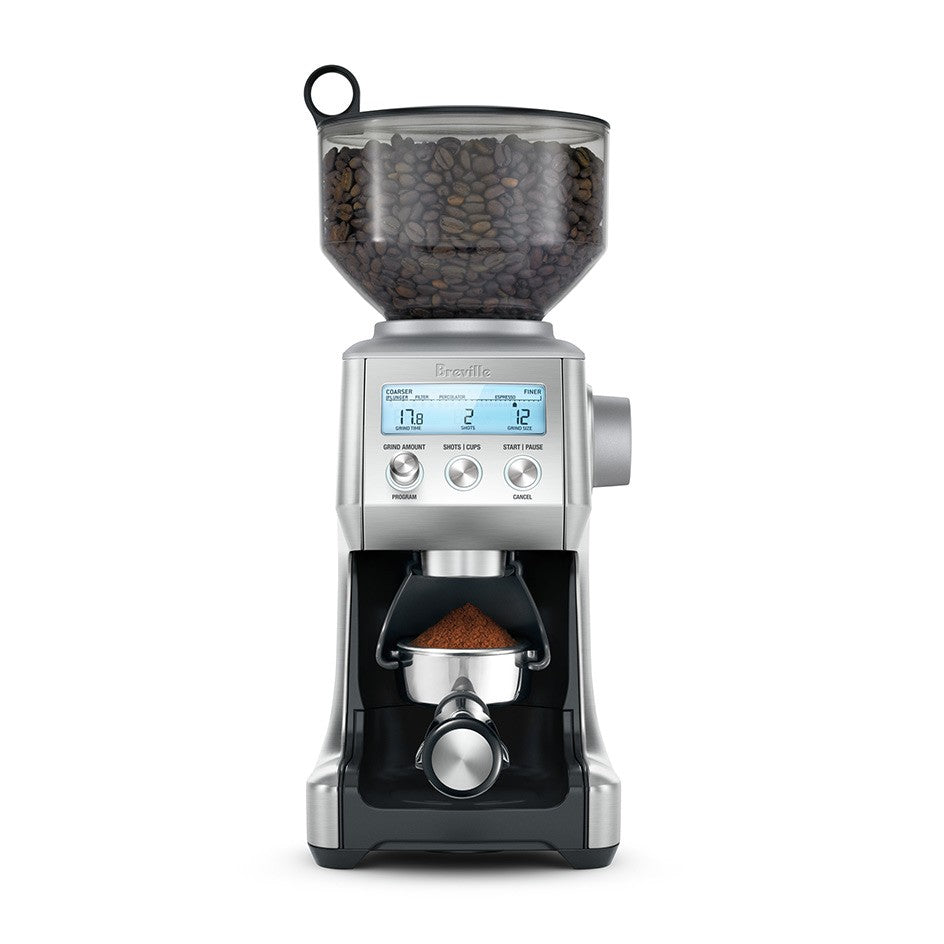
Breville Smart Grinder Pro
Good questions
›Is a precision basket worth it, or is it just another upgrade to skip?
It is worth it, in plain steel. Its uniform holes make extraction more consistent, and with a bottomless portafilter they help you spot channeling. Skip only the gold or colored coatings, which add cost and change nothing about how water moves through the puck.
›I already own a spinning distributor. Should I stop using it?
You can keep using it; it will not hurt anything. Just run your WDT step first with a needle tool to break up the clumps below the surface, so the distributor is only smoothing a bed that is already even. Forced to choose between the two, take the needle tool.
New gear, real prices, no hype
Occasional emails when something genuinely good lands or drops in price.