The Best Grinders for Filter and Pour-Over
By the dialed team · Updated 2026-03-25
Filter and pour-over live or die on grind quality. Espresso hides a lot behind 9 bars of pressure and a layer of crema. A pour-over hides nothing. Water passes through the bed once, slowly, under gravity alone, so every oversized particle under-extracts and every fine over-extracts. What you taste is exactly what the burrs produced.
The upside: a filter grinder is usually simpler and cheaper than an espresso grinder, because you are not chasing the tiny, repeatable adjustments espresso demands. You want a clean, even grind in the medium range, nothing more exotic. That changes what matters when you shop, and it is rarely the number the marketing leads with.
Burr geometry shapes the cup; size and alignment decide it
For filter, particle uniformity is most of the game. The tighter your grounds cluster around one size, the more evenly water extracts, and the more you taste distinct notes instead of a muddy average. Flat burrs tend toward a narrower, more uniform grind, which is why they carry a reputation for clarity and flavor separation. Conical burrs usually leave a wider spread and a few more fines, which most drinkers read as more body and softer edges. Neither is wrong. Clarity hunters lean flat. Drinkers who want body and a little forgiveness lean conical.
Two things matter more than that debate: burr size and alignment. Bigger burrs cut more grounds per turn, so they finish faster, heat the coffee less, and tend to grind more consistently at any setting. Alignment is the quiet killer: burrs that sit even slightly off-parallel throw a smear of fines that no geometry can fix. A well-aligned mid-size flat burr beats a big, sloppy one every time.
Flat-burr filter grinders


Why grind range matters less than it does for espresso
Espresso grinders obsess over fine, repeatable micro-steps because a quarter turn separates a sour shot from a bitter one. Filter forgives far more. Pour-over lives in a wide medium band, and moving a few clicks shifts your brew time by seconds, not off a cliff. You work in the comfortable middle of the dial, not clinging to the bottom.
So a spec boasting a giant micron range or hundreds of settings barely matters for filter. What you want is fine-enough adjustment in the medium zone, enough to nudge toward a slow, syrupy brew or a faster, brighter one, plus a setting you can return to. Repeatability beats range: a grinder that lands on the same medium every morning is worth more than one with a huge span it can never hit twice.
Can one grinder do both filter and espresso?
Short answer: yes, with an asterisk. The hard part is not the coarse end, it is the fine end. Espresso needs very fine, very repeatable steps, and plenty of grinders that shine at filter cannot dial in tight enough, or they jump too coarsely down there. A true do-it-all grinder needs stepless or very fine stepping, plus burrs that stay consistent when you push them fine.
If filter is your priority and espresso an occasional curiosity, a strong single-dose filter grinder that happens to reach espresso is the smart buy. If you pull shots daily, start from an espresso-first grinder and accept a small hit in filter clarity. Chasing perfection at both usually means flagship money and still owning two sets of burrs. Be honest about the split: a 90/10 filter drinker and a 50/50 switcher want different machines.
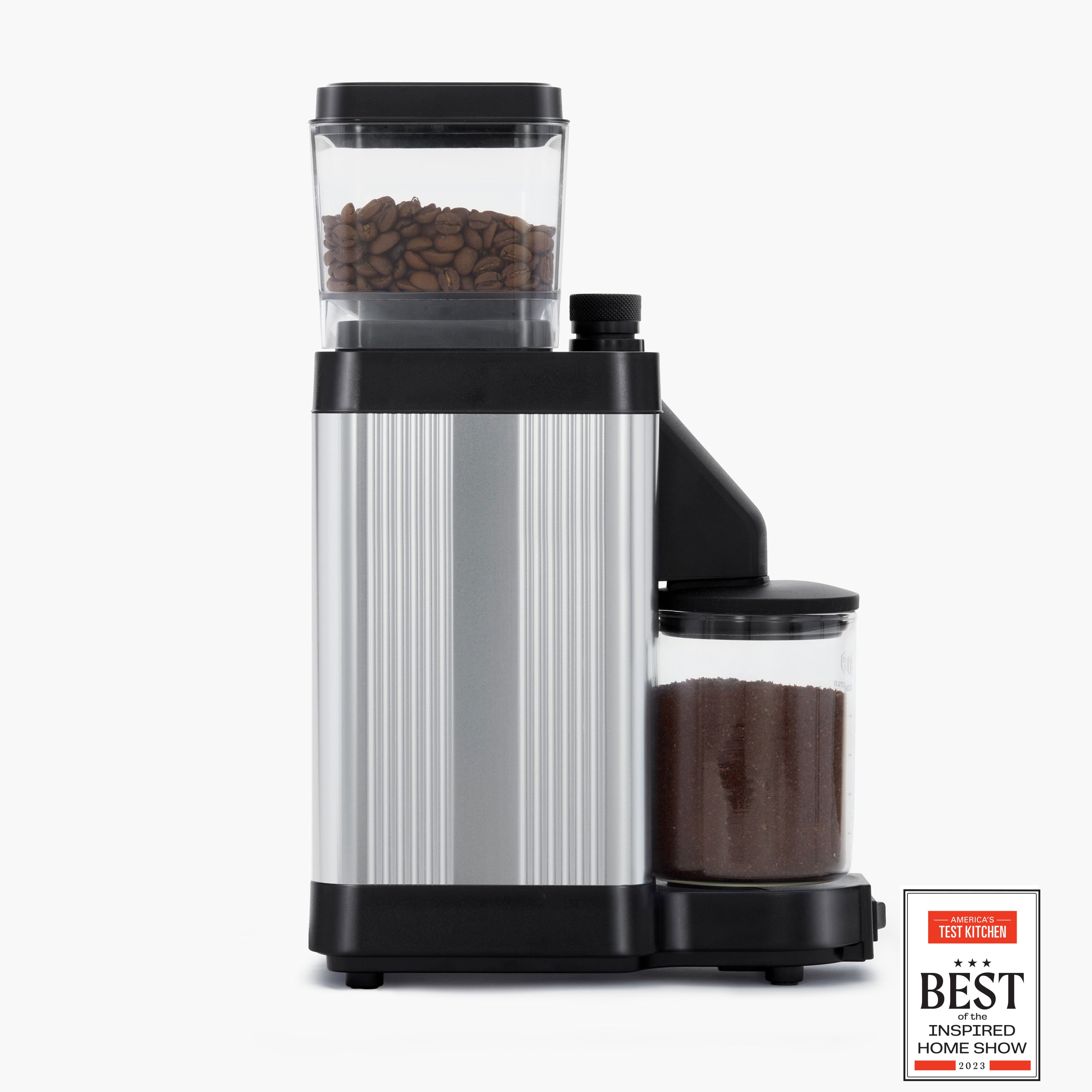
All-purpose burr grinders



Hand or electric for pour-over?
Pour-over is the one place a hand grinder truly makes sense. You are grinding 15 to 30 grams at a time, so the 10 to 30 seconds of cranking is no chore, and hand grinders put more of their cost into burrs instead of a motor. Dollar for dollar, a good manual grinder often beats an electric at the same price for filter work.
Go electric when volume or convenience wins: more than a cup or two a day, guests to serve, or a flat refusal to crank before caffeine. A single-dose electric with a solid medium-range burr is the low-stress default. Whichever you choose, weigh your dose and note the setting. A grinder only helps if you can repeat what worked.
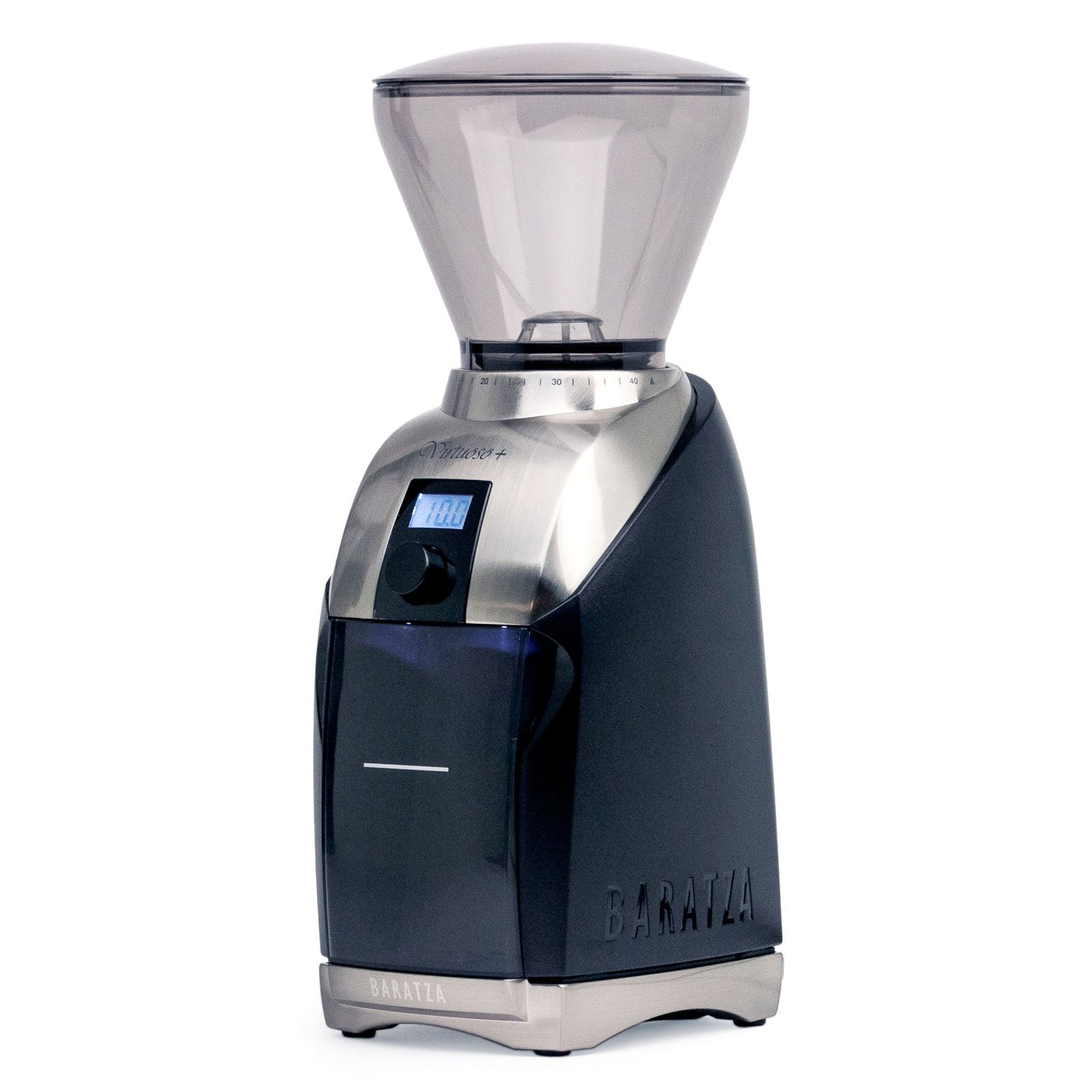
Hand and electric pour-over grinders


Good questions
›Flat or conical burrs for pour-over?
Either can make an excellent cup. Flat burrs tend toward a more uniform grind and clearer flavor separation, which clarity chasers love. Conical burrs lean toward body and a rounder, more forgiving cup. Alignment and burr size shape the result more than geometry does, so a well-built conical will beat a poorly aligned flat. Pick the profile you prefer, then buy the best-made version in your budget.
›What grind size should I start with for pour-over?
Start in the medium range, roughly the texture of sea salt, and let brew time guide you. If the water drains too fast and the cup tastes thin or sour, go a little finer. If it pools and turns bitter or dry, go coarser. Change one variable at a time and note the setting. Many single-cup pour-overs finish around 2.5 to 3.5 minutes, but your taste beats the timer.
New gear, real prices, no hype
Occasional emails when something genuinely good lands or drops in price.